
This article contains affiliate links. We may earn a commission if you buy through our links, at no extra cost to you. Last reviewed: June 2026.
If a radiator is cold at the top but warm at the bottom, trapped air is almost always the cause, and bleeding it is the quick fix. Bleeding a radiator simply means releasing that trapped air through a small valve so hot water can circulate properly again. It is one of the easiest jobs in home heating, takes only a few minutes per radiator, and unlike most boiler work it does not involve the gas appliance, so it is a safe task to do yourself.
This guide walks through exactly how to bleed a radiator step by step, including the tools you need, the one safety rule that matters most, how to do it without a key, and what to check on your boiler afterwards. Done once a year, it keeps your heating even, your home warmer, and your energy bills lower.
 ★★★★★
4.8 from 14,000+ reviews
★★★★★
4.8 from 14,000+ reviews
How to bleed a radiator: the short answer
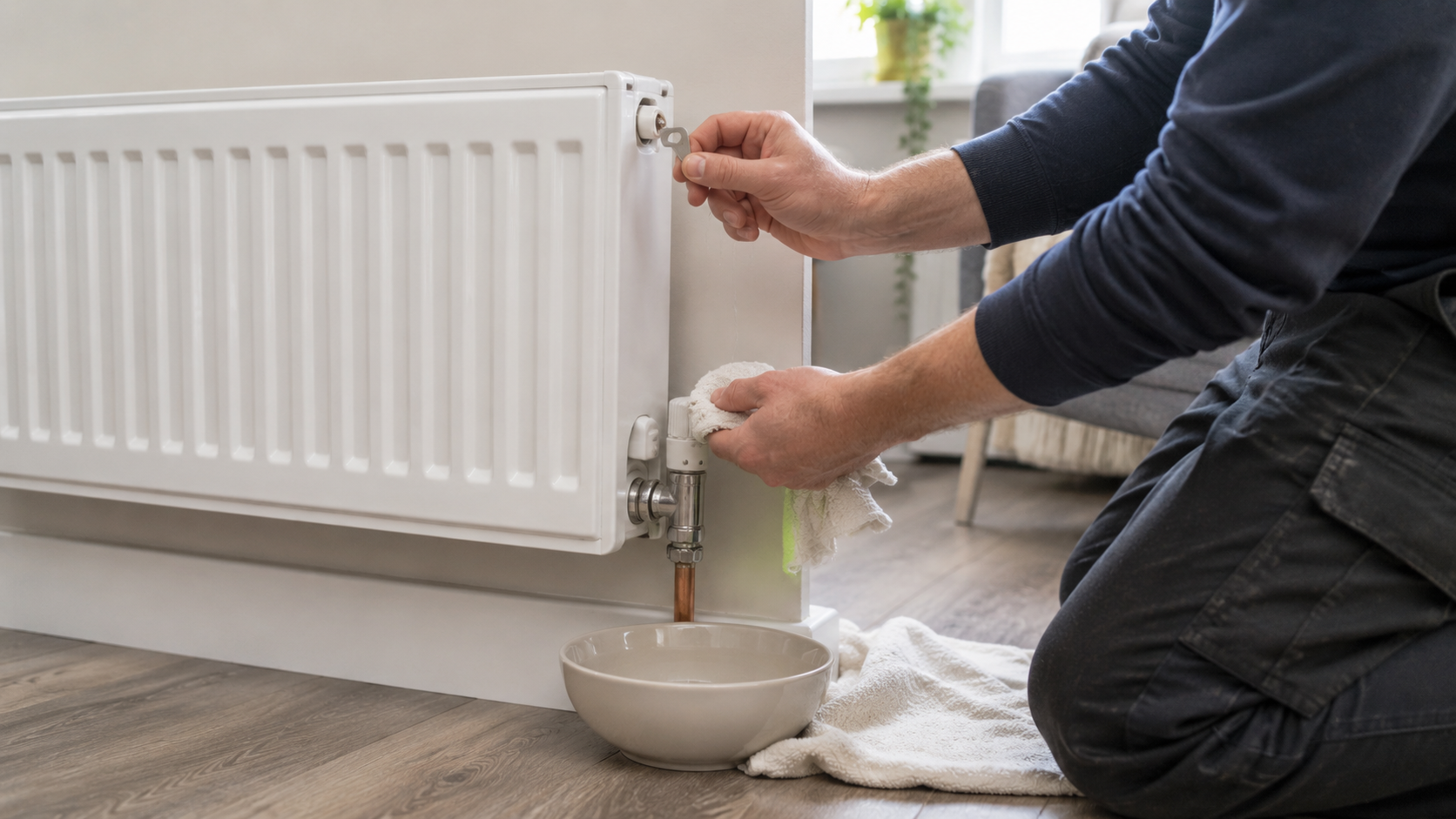
Turn the heating off and let the radiators go cold. Hold a cloth and bowl under the bleed valve at the top corner of the radiator, insert a radiator key and turn it slowly anti-clockwise about a quarter to half a turn. You will hear air hissing out. When the hissing stops and water trickles out steadily, turn the key clockwise to close the valve. Repeat for each radiator, then check your boiler pressure and top it up if needed before turning the heating back on.
How to tell if a radiator needs bleeding
The tell-tale sign is a radiator that is cold at the top but warm at the bottom. Trapped air rises and collects at the top, where it blocks the hot water from reaching, so the upper section stays cool. Other signs include radiators that are slow to warm up, heat unevenly, or make gurgling sounds when the heating comes on, which is the air moving around the system.
One important exception: if a radiator is cold at the bottom rather than the top, the cause is usually a build-up of sludge rather than air, and bleeding will not fix it. We cover that in the troubleshooting section below.
What you will need
You only need a few inexpensive items, most of which you may already have at home:
- A radiator bleed key. A small L-shaped metal tool that fits the bleed valve, available cheaply from any DIY shop or online. Many modern radiators can also be opened with a flat-head screwdriver if the valve has a slot in it.
- A cloth or towel. To grip the key, catch drips, and protect the wall from any spray.
- A small bowl or jug. To catch the water that comes out once the air has escaped.
Avoid using pliers if you can. They may seem to grip the valve, but they can easily damage it, which makes it harder to close or to bleed next time. If a valve is stiff, a cloth for grip or long-nose pliers as a last resort are better than forcing it.
How to bleed a radiator step by step
With the heating off and the radiators cold, the process for each radiator is quick and the same every time.
- Turn the heating off and let it cool. Switch off the central heating and wait an hour or two until the radiators are completely cold to the touch. This is the safety step you should never skip.
- Start with the radiator furthest from the boiler. Air collects most in the radiators furthest from the boiler, so work from the furthest one back towards the boiler, and on two floors do the downstairs radiators first.
- Find the bleed valve. Look at the top corner at one end of the radiator for a small square nut inside a round hole. That is the bleed valve. The other top corner is usually blank.
- Position the bowl and cloth. Hold the bowl or jug under the valve and keep a cloth ready to catch drips and protect the wall.
- Open the valve slowly. Fit the key (or screwdriver) onto the valve and turn it slowly anti-clockwise, about a quarter to half a turn. You will hear a hissing sound as the trapped air escapes. Do not turn it more than one full turn, and never open it all the way.
- Close the valve when water appears. Once the hissing stops and water begins to trickle out steadily, the air is gone. Turn the key clockwise to close the valve, snug but not over-tightened. Wipe away any drips.
- Repeat for each radiator. Work around the house in order, furthest from the boiler first, bleeding any radiator with cold spots.
- Check your boiler pressure. Bleeding releases air and a little water, so the system pressure usually drops. Check the boiler’s pressure gauge: if it has fallen below about 1 bar, top it back up to between 1.0 and 1.5 bar when cold, as set out in our guide on how to repressurise a boiler.
- Turn the heating back on. Switch the heating on, give the radiators time to warm, and check they now heat evenly with no cold tops.
How to bleed a radiator without a key
If you cannot find your radiator key, look closely at the bleed valve. If it has a slot across it, you can open it with a flat-head screwdriver in exactly the same way: turn slowly anti-clockwise until you hear the hiss, then close when water flows. Many modern radiators and towel rails use this slotted type.
If the valve is the square type and you have no key, the best option is to buy one, as they are inexpensive and sold in every DIY shop and plumbers’ merchant. It is worth avoiding pliers, which tend to round off and damage the valve. Older imperial-sized radiators occasionally need a specific key, so taking a photo of the valve to the shop can help you get the right fit.
Bleeding towel rails and vertical radiators
Heated towel rails and tall vertical radiators are bled in exactly the same way, but the bleed valve is usually near the top of one of the vertical bars. Because the air rises to the highest point, towel rails in upstairs bathrooms a long way from the boiler are especially prone to trapping air. For tall vertical radiators, you may need a step stool to reach the valve safely, so take care with your footing and keep the cloth and bowl within reach.
How often should you bleed radiators?
At least once a year is a good rule, ideally at the start of the colder months when you first turn the heating on after summer. Air tends to build up while the system has been idle, so bleeding then clears it before you are relying on the heating daily. Beyond that, bleed any radiator whenever you notice the signs: cold tops, gurgling, or uneven heating. There is no harm in checking your radiators periodically through winter.
Still cold after bleeding? What to check next
If a radiator still will not heat evenly after bleeding, the cause is probably not air, and a few other things are worth checking:
- Cold at the bottom, not the top. This points to sludge (a build-up of rust and debris) settling in the bottom of the radiator, which blocks circulation. Clearing it needs a power flush, which is a job for a professional.
- Pressure keeps dropping. If you bleed, top up, and the pressure falls again, you may have a leak. See our guides on why your boiler is losing pressure and how to repressurise it.
- Some rooms always run cooler. The system may need balancing, which means adjusting the lockshield valves so each radiator heats at the same rate. This is a more involved task but still one many homeowners can manage.
- A stuck or missing valve. If you cannot find a bleed valve, or it is seized solid, do not force it. A heating engineer can help.
Tried everything and the heating still struggles? Get a fixed-price quote
Bleeding radiators is free and fixes most uneven-heating problems. But if you have bled, balanced and flushed the system and an older boiler still cannot heat your home properly, it may be reaching the end of its life. Knowing the replacement cost helps you decide. Both Heatable and iHeat show real installed prices for your home in under 2 minutes, with no obligation and no home survey before quoting. Our boiler lifespan guide covers when to repair and when to replace.
- Online quote in ~90 seconds
- Broader credit acceptance via panel lenders
- Save My Quote for later comparison
- 4.8 stars from 14,000+ Trustpilot reviews
- Online quote in ~60 seconds, no survey first
- Six brands, including Viessmann and Alpha
- Free gas pipe upgrade if your job needs one
- 4.8 stars from 10,000+ Trustpilot reviews
Common questions about bleeding radiators
How do I know if my radiator needs bleeding?
The classic sign is a radiator that is cold at the top but warm at the bottom, because trapped air has risen and collected at the top. Slow warming, uneven heat, and gurgling noises when the heating comes on are also signs. If instead the radiator is cold at the bottom, that usually means sludge rather than air, which bleeding will not fix.
Which way do I turn the radiator key?
Turn the key anti-clockwise (to the left) to open the valve and release the air, just a quarter to half a turn. When water trickles out steadily, turn it clockwise (to the right) to close it again. Never open the valve more than one full turn or all the way.
Should the heating be on or off when bleeding a radiator?
Off. Always turn the central heating off and let the radiators go completely cold first, ideally waiting an hour or two. Bleeding a hot radiator risks scalding you with hot water or steam. This is the most important safety step.
How often should I bleed my radiators?
At least once a year, ideally at the start of winter when you first switch the heating on after summer. Beyond that, bleed any radiator whenever you notice cold tops, uneven heating, or gurgling noises.
Can I bleed a radiator without a key?
Yes, if the bleed valve has a slot in it, you can use a flat-head screwdriver in the same way. If it is the square type, you will need a radiator key, which is cheap and sold in any DIY shop. Avoid using pliers, as they can damage the valve.
Do I need to repressurise the boiler after bleeding?
Often, yes. Bleeding releases air and a little water, so the system pressure usually drops. Check the boiler’s pressure gauge afterwards, and if it has fallen below about 1 bar, top it up to between 1.0 and 1.5 bar when cold. Our guide on how to repressurise a boiler covers exactly how.
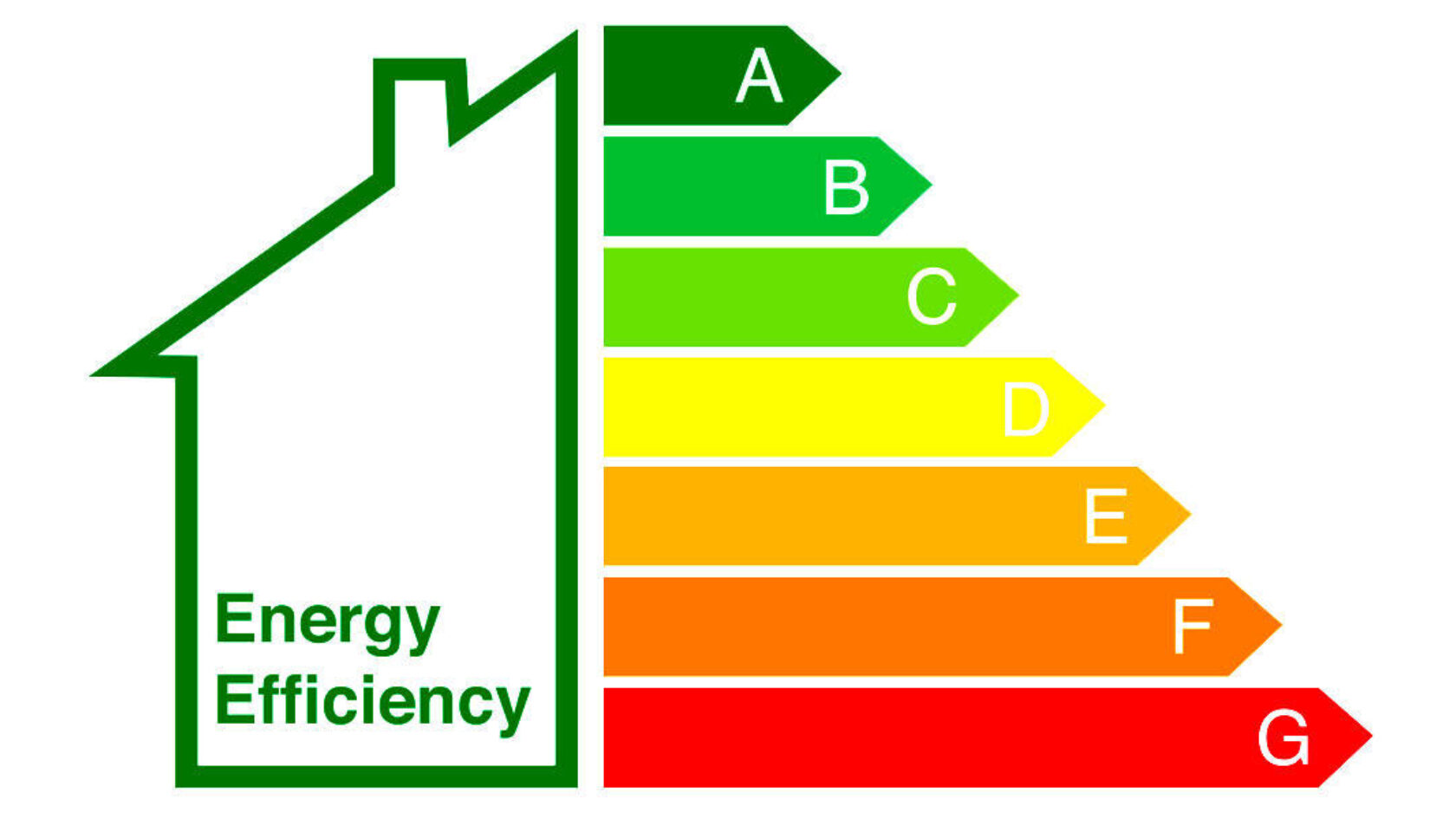
A new boiler usually improves your home’s energy rating, but your existing EPC won’t show it. If you’re selling, letting, or your certificate is coming up to ten years old, it’s worth getting a fresh assessment booked.
This guide was last updated in June 2026. It is general information for UK wet central heating systems and does not replace your boiler or radiator manual. Bleeding a radiator is a safe homeowner task as it does not involve the gas appliance, but if a valve is seized, a radiator has no bleed valve, or you suspect a leak, contact a heating engineer. If you smell gas, call the National Gas Emergency Service on 0800 111 999. We are not a credit broker, lender or installer. Heatable and iHeat handle quoting, finance and installation directly.